Turn Every Track Into a Powerful Workout

Today we dive into song-length workout routines—compact, motivating sessions choreographed to the length, energy, and structure of individual songs. Expect practical playlists, science-backed pacing tips, and engaging ideas that transform your favorite music into focused intervals, progress cues, and joyful, time-efficient training.

Build a Playlist That Trains With You

Start by curating songs whose lengths match the intensity you want: brisk openers for warm-ups, energetic choruses for bursts, and mellow closers for cooldowns. Use BPM, mood, and lyrical arcs to shape effort changes, turning passive listening into purposeful, repeatable training structure and effortless motivation.

Choose BPM With Purpose

Match faster tempos to cardio surges and steady mid-tempos to sustainable efforts. Around 120–140 BPM supports controlled movement, while 150–180 BPM can cue high-energy intervals. Let drum breaks trigger transitions, and use instrumental bridges to breathe, reset posture, and prepare for the next push.

Map Warm-Up, Work, and Cooldown

Open with a familiar track that invites gentle range-of-motion and breath focus, then stack two or three energetic songs for main effort, finishing with a soothing piece for flexibility. Consistency builds habit, while predictability reduces friction and invites progressive overload without burnout.

The Science of Moving to Music

Cadence Coupling and Economy

Aligning stride or pedal rate with BPM minimizes wasted motion and micro-braking. Runners often benefit around 170–180 steps per minute, while cyclists match half or full beats. Consistency improves neuromuscular efficiency, reduces impact spikes, and makes pace feel naturally sustainable even during challenging songs.

Perception, Pain Gates, and Focus

Music occupies attentional bandwidth, shifting focus from discomfort to rhythm and breath. This sensory gating lowers subjective strain, especially during high-intensity bursts guided by choruses. Carefully chosen tracks also cue relaxation between efforts, supporting recovery, composure, and safer work quality as intensity oscillates song to song.

Emotion, Memory, and Habit Formation

Songs anchor emotional context, turning repetition into ritual. When you associate a chorus with a successful sprint, the brain anticipates effort with confidence. This reinforcement strengthens habit loops, shortens warm-up time, and makes regular training feel rewarding even on busy, distracted, or low-energy days.

Micro-Sessions You Can Finish Before the Song Ends

Short on time? Use a single track to cover a full cycle: quick mobility, focused effort, and mindful cooldown. Match structure to verses, choruses, and bridges. These tiny sessions build consistency, rescue missed days, and compound into genuine fitness improvements across a demanding week.

The One-Song Strength Sprint

Pick a three-to-four minute track. After thirty seconds of dynamic warm-up, rotate bodyweight squats, push-ups, and reverse lunges during each verse, then hit a chorus finisher like squat jumps or power jacks. End with a gentle bridge stretch, breathing deeply to lock recovery.

Cardio Burst Between Meetings

Choose an upbeat song you love. Start with marching and shoulder rolls, then switch to high knees during verses and fast feet or skaters on choruses. Use the bridge to inhale slowly, exhale longer, and reset posture before a composed, smiling return to work.

Strength and HIIT Synced to Verses and Choruses

Use the song’s architecture to automate pacing. Verse equals controlled tempo strength; chorus equals explosive HIIT; bridge equals isometric or core. This gives you effortless timing, natural rest windows, and repeatable patterns that scale from novice to advanced without complicated programming.

Chorus Power Bursts

Choose compound moves like squat jumps, kettlebell swings, or mountain climbers when the hook lands. Give yourself all-out but crisp effort for the chorus duration, then immediately downshift during the verse. The music handles interval timing; you focus entirely on quality and intent.

Verse Tempo Strength

Practice controlled eccentrics and steady breathing while the verse unfolds. Think goblet squats, push-up negatives, split squats, or band rows. Use the final pre-chorus line to brace, then explode into the hook, transforming predictable lyrics into a reliable signal for intensity shifts.

Hill Surges on the Hook

Approach the hill calmly during the verse, then attack on the chorus, cresting with conviction. The musical swell encourages posture, knee drive, and arm swing. As the vocalist eases, shift to controlled breathing, avoiding redlining while keeping rhythm steady and forward momentum alive.

Cadence Targets That Feel Effortless

Select playlists near your preferred cadence so legs fall into rhythm without overthinking. For many runners, 170–180 steps per minute feels natural; cyclists may lock into 85–95 RPM. The right beat preserves form, reduces braking, and turns pacing into second nature.

Stay Present and Safe Outside

Lower volume enough to hear traffic, bikes, and footsteps. Choose routes with lighting and space, and remove one earbud where needed. If conditions change suddenly, ignore the song’s cue and prioritize awareness. Music enhances training only when judgment and environment remain clearly in control.

Recovery, Progress, and Playlists That Evolve With You
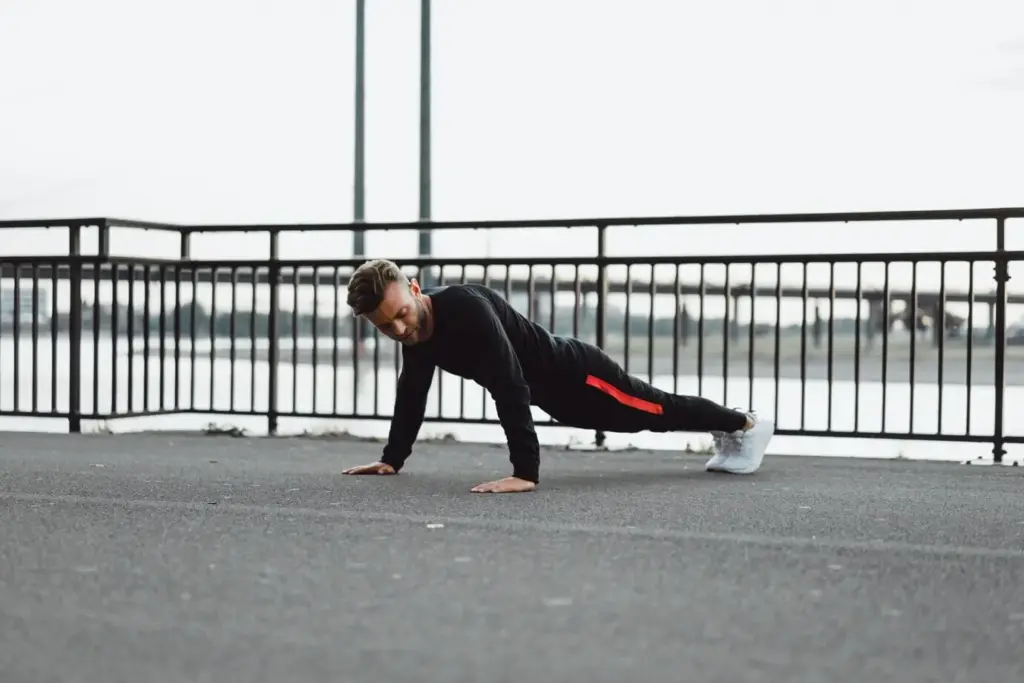
Track how each song feels at different efforts, then update your playlist as fitness improves. Sprinkle new tracks for novelty while keeping anchor songs for confidence. Protect recovery with slower finales, gentle breathwork, and mobility, so gains accumulate without soreness stealing tomorrow’s momentum.

Join the Playlist-Driven Fitness Community

Share your favorite tracks, swap routines matched to specific songs, and challenge friends to one-track finishers. Post your go-to warm-up, chorus burst, and cooldown picks. Subscribe for weekly playlists and reader stories that make training social, supportive, and brilliantly fun—no extra time required.

Comment With Your Perfect Three-Song Stack

Tell us what you use for warm-up, main effort, and cooldown, including genres and BPMs. Your stack could inspire someone’s comeback week. Add a brief win or lesson learned so newcomers see practical examples and feel confident trying their very first music-guided session.

Submit a Playlist for Feature Friday

Send a public link and a quick note on how you structure effort from track to track. We’ll test it, share feedback, and highlight creative ideas. It’s a fun way to learn from each other and keep playlists fresh, effective, and motivating.

Vote on Monthly Challenges

Help choose next month’s experiment, like five-minute strength singles, chorus hill repeats, or ultra-slow recovery flows. Cast your vote, invite a friend, and check back for results, tips, and stories that make consistency easier and progress feel like a shared celebration.

Meluxoluvakivo
Privacy Overview

This website uses cookies so that we can provide you with the best user experience possible. Cookie information is stored in your browser and performs functions such as recognising you when you return to our website and helping our team to understand which sections of the website you find most interesting and useful.